
Home Quest - Idle Adventure
codeSTREAMAdventure
4.12.31K Reviews
- Version
- 5.1.16
- Installs
- 1.00M
- Age Rating
- Everyone
Screenshots
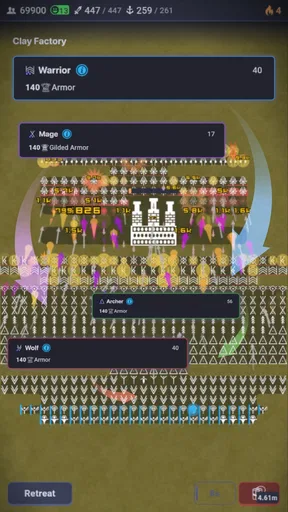
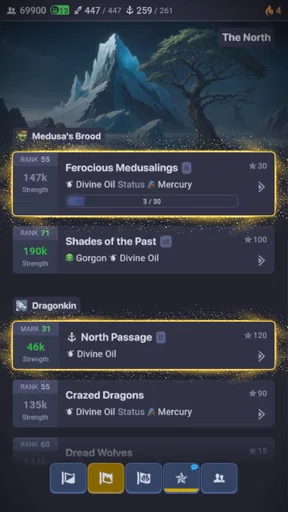
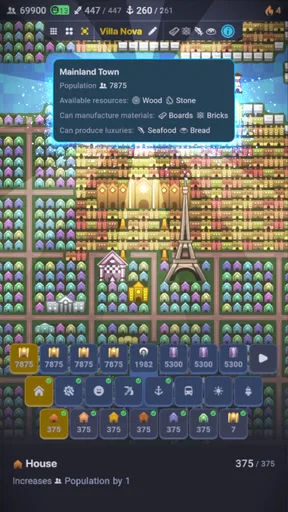


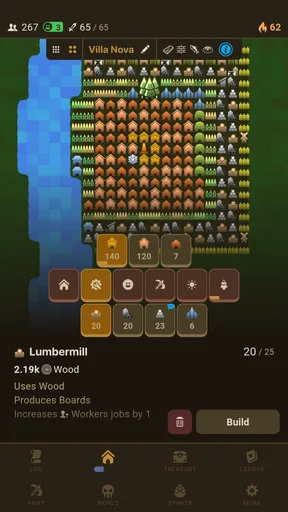
Our Review of Home Quest - Idle Adventure
 Analysis by Appyee
Home Quest - Idle Adventure is the kind of game I open when I want progress without committing to a long, demanding play session. It is a free adventure game from codeSTREAM, built around a gradual idle rhythm rather than constant tapping or fast reactions. I make a choice, watch the situation develop, collect the result, and then decide what deserves attention next. That simple pattern is the real appeal: every short visit has a clear beginning, a small payoff, and a reason to return later.
That approach will not suit everyone. If you want a story-heavy adventure with elaborate exploration, precise combat, or a large world to control directly, this is a much lighter experience. I see it more as a background adventure with enough decisions to keep it from becoming completely passive. The important question is not whether it has the deepest mechanics in the genre, but whether its steady loop feels satisfying during the spare moments of an ordinary day.
How the adventure loop feels in everyday play
I find the everyday loop easiest to enjoy when I give each visit a small purpose: check what has finished, decide what would be useful next, and leave the game with a plan underway. That approach makes brief sessions feel deliberate rather than like repeated checking. The next section looks at how this steady pace compares with more hands-on adventure games, and what kind of player is likely to prefer it.
The first action is deliberately small
My first useful action in a session is usually simple: I check what has progressed, collect what is ready, and choose the next thing to advance. That low barrier is central to the game’s identity. I do not need to remember a complicated control scheme or prepare for a long encounter before making progress. The game lets me begin with a quick inspection, which makes it easy to play while waiting for a bus, taking a short break, or winding down before sleep.
The trade-off is that the opening moments can feel modest if I am expecting immediate adventure. Home Quest does not try to impress through a burst of action every time it opens. Instead, it asks me to care about small improvements. A choice that looks minor on its own becomes more meaningful when it helps the next task finish sooner or makes the following visit more productive. The game’s first action is therefore less about excitement and more about setting up the next piece of progress.
I found this especially useful when I wanted a game that would not punish interruptions. I can make a decision, leave the app, and return later without feeling that I have abandoned a demanding mission. That makes it a comfortable alternative to action adventures that require a continuous block of attention. It also means that the game works best when I accept its slower pace from the start.
Feedback arrives in a steady rhythm
The feedback rhythm is built around visible completion. I begin something, wait for its result, and then use that result to move forward. The satisfaction comes from seeing an unfinished task become available, collecting its reward, and immediately finding another reason to continue. This is a calmer loop than a conventional adventure game’s fight-explore-loot pattern, but it still has the same basic emotional shape: action, feedback, reward, and another decision.
That rhythm makes short sessions feel purposeful. Even when I only have a few minutes, I can usually identify what changed since the previous visit. The game does not require every session to be a major event. Sometimes the best outcome is simply making sure that accumulated progress is not sitting unused and then starting the next step before closing the app.
There is a subtle difference between idle progress that feels helpful and idle progress that makes the player irrelevant. Home Quest stays more engaging when I treat the waiting period as preparation rather than the whole game. The choices I make around completed tasks matter more than repeatedly checking the same screen. If I open it too often without a meaningful decision available, the experience can feel thin. I get more from it when I let progress build and return with a clear purpose.
One practical habit improved my sessions: I check the most time-sensitive or useful result first instead of collecting everything automatically. That gives the visit a small priority decision. It is not a complicated strategy, but it prevents the game from becoming a routine of opening, tapping every available option, and closing again. The loop feels better when I decide why I am collecting something, not merely because it is highlighted.
Rewards are useful because they point forward
The rewards work best when they are treated as tools for the next action. I do not play solely to see a number increase; I play to turn the increase into another piece of progress. That forward connection gives the idle structure a sense of direction. A completed step matters because it changes what I can prepare, improve, or attempt afterward.
This also creates the game’s main strategic tension. Spending a reward immediately may make the current stage feel smoother, while saving it can support a more meaningful improvement later. The right choice depends on how long I expect to be away and whether I am trying to accelerate a short session or establish better progress for the next return. The game is approachable, but it still gives careful players room to think about timing.
I would not describe the reward system as generous in the same way a fast arcade game is generous. Its pleasure is delayed. The reward is satisfying when it completes a plan I started earlier, not necessarily when it appears. Players who enjoy gradual accumulation will understand the appeal quickly. Players who need frequent surprises, dramatic unlocks, or constant new stimuli may find the reward cycle too restrained.
There is also a useful discipline in not treating every available reward as an invitation to keep playing. Sometimes I collect what has finished, begin one sensible follow-up, and leave. That keeps the game from taking over a break that was meant to stay short. The design supports this because progress does not depend on me being present every second, although the experience is still better when I make deliberate choices before stepping away.
Why another session begins
The reason I return is not simply that something is available. It is that the previous session left a thread unfinished. I started a task, made an upgrade decision, or set up a new stage, and the game gives me a reason to see how that choice worked out. This is the strongest part of the loop. The next session feels connected to the last one instead of feeling like a completely separate login.
A realistic example is an evening when I have only a few minutes. I open the game, collect the progress that accumulated while I was away, use it to improve the next step, and begin another action before putting my phone down. The following morning, I can check the outcome without needing to reconstruct a complicated plan. The game fits around that routine because the reset between sessions is gentle rather than demanding.
That same quality can be a weakness for anyone who wants a strong finish to each play period. Home Quest rarely gives me the feeling that I have conquered a large challenge and reached a dramatic stopping point. Instead, I stop because I have arranged the next piece of progress. The motivation is continuity, not closure.
The reset is soft, not dramatic
When I close the game, the session does not feel like a hard reset. I leave progress running in the background of the experience and return to the consequences of my earlier decisions. This is why I see it as an idle adventure rather than a traditional level-based game. The pause is part of the design. The game expects me to step away and makes the next visit about checking, collecting, and choosing again.
That soft reset is excellent for inconsistent schedules. I can play more actively on a quiet afternoon and use shorter check-ins on a busy day. It also reduces the guilt that can come with games built around daily streaks or long missions. I am not constantly worried that a missed session has ruined the whole plan. The downside is that the game may feel less urgent than an adventure that presents a clear objective every time I play.
I recommend deciding in advance what a finished session means. For me, it is usually collecting completed progress, making one or two useful choices, and starting the next action. Without that boundary, the game can encourage aimless checking. With it, the loop becomes neat and manageable. This is one of the more important practical tips for enjoying the game: the player supplies the stopping point.
Where it sits among adventure games
Compared with a conventional adventure game, Home Quest asks for much less direct control. There is no need to spend every moment moving through a detailed environment or mastering rapid reactions. That makes it easier to fit into daily life, but it also removes much of the tension that comes from personal skill. My success depends more on choosing a sensible sequence and returning at a useful time than on performing perfectly.
Compared with a purely passive idle title, it gives me more reason to pay attention. I am not only watching a counter rise. I need to decide what to do with the result and how to prepare the next stage. The game sits in the middle: lighter than an active adventure, but more involved than a progress screen that plays itself.
It is also a better choice than a competitive adventure game for someone who dislikes pressure from other players. The focus stays on my own pace and my own routine. On the other hand, anyone looking for social competition, demanding combat, or a highly cinematic presentation should choose a different kind of game. Home Quest is strongest when convenience and gradual planning matter more than spectacle.
What the free version means in practice
The game is free to download and is suitable for Everyone, which makes it easy to try without making an upfront purchase. It includes optional in-app purchases ranging from $2.49 to $21.99 per item. I would approach those purchases carefully. The core appeal comes from the loop itself, so I would first spend time learning whether the waiting and planning rhythm actually suits me before paying to accelerate anything.
That advice matters because speeding up a gradual game can change the exact quality that makes it enjoyable. If I buy my way past too much waiting, I may gain convenience but lose the anticipation that gives the next session its purpose. Players who prefer immediate progress may see optional purchases differently, but I would treat them as a convenience rather than a requirement for deciding whether the game is worth keeping.
For families, the Everyone rating is reassuring in broad terms, but the game’s suitability still depends on the player’s tolerance for repeated progression and optional spending. I would explain the purchase model to a younger player rather than assuming that a friendly age rating answers every practical question. The most useful family rule is simple: play the free loop first and set a clear boundary around purchases.
Performance, access, and long-term fit
Home Quest supports devices running Android 7.0 or later. That gives it a relatively broad reach for Android users who do not own a recent phone. The current version is 5.1.16, and the game has been available since June 2, 2020. Those details matter less than the way the game fits into a device: because the experience is built around brief visits, it makes sense on a phone that is used throughout the day rather than reserved for long gaming sessions.
The game has attracted over one million installs, with an average rating of 4.1 from around twenty-one thousand ratings and roughly two thousand reviews. I read that reception as a sign of a solid audience rather than proof that it will satisfy every adventure fan. The numbers suggest that the central idea works for many players, while the middling distance from a perfect score also fits my impression that the idle structure will divide people according to their preferred pace.
In my experience, the long-term question is whether gradual progress remains meaningful after the initial novelty fades. The answer depends on how much I enjoy planning small steps. If I need a constant stream of new environments and dramatic objectives, I would probably move on. If I like maintaining a small personal project that rewards occasional attention, the design has better staying power.
Who should try it, and who should skip it
I would recommend Home Quest to players who want an adventure game that respects interruptions. It is a good fit for someone who enjoys checking progress during a commute, between tasks, or at the end of the day. It also suits players who like optimizing the order of small decisions without needing a complex strategy guide. The game’s best audience is patient, routine-oriented, and happy to let progress accumulate.
I would skip it if my main goal were direct action. Players who want responsive controls, difficult encounters, exploration led by their own movement, or a story that constantly pushes them forward will likely find the idle structure too quiet. I would also avoid it if I know that repeated check-ins make me anxious or if I dislike games where the next reward depends on waiting. In those cases, a traditional adventure with self-contained stages would provide a clearer sense of accomplishment.
The game is particularly well suited to people who have already tried idle games but wanted a little more decision-making. It gives the waiting period a purpose without turning every visit into work. Conversely, experienced strategy players may find its choices too light if they are looking for deep systems with many interacting variables. Its strength is balance, not complexity.
My verdict on the complete loop
The loop works because each part leads naturally to the next. I take a small action, receive clear feedback, collect a reward, use it to prepare another step, and leave the game with progress still to discover later. The reset between sessions is gentle, so returning feels like continuing a plan rather than restarting a task. That is a convincing structure for a free mobile adventure, provided I enjoy delayed rewards and modest decision-making.
My main criticism is that the same calm design can become repetitive. The game does not always create a strong reason to stay for a long session, and players who want constant novelty may feel that they are managing a routine instead of exploring an adventure. I also think optional purchases deserve restraint, because rushing the loop can weaken the anticipation that makes the loop satisfying in the first place.
Overall, I would recommend it to a friend who wants a low-pressure game to revisit throughout the day. I would describe it honestly as a patient, background-friendly adventure rather than a replacement for a full action game. The best way to enjoy Home Quest is to treat each visit as a small planning session, not a demand to keep playing. When that expectation matches what I want from my phone, the action-feedback-reward-reset cycle feels pleasantly dependable, and that is exactly why I come back for another session.
Verdict
Strengths of Home Quest - Idle Adventure
- Relaxed idle gameplay works well for short, casual sessions.
- Resource production continues while you are offline.
- Town building and upgrades provide a clear sense of progression.
- Simple controls make it easy to play on phones of different sizes.
- Strategic choices add more depth than a typical idle clicker.
Limitations of Home Quest - Idle Adventure
- Progress can feel slow without waiting or using premium resources.
- Limited active interaction may not satisfy players seeking constant action.
- The upgrade system can become repetitive during longer play sessions.
- Some features take time to unlock, which may test impatient players.
- Frequent resource management may feel tedious later in the game.
Similar Picks in This Category
View All
Roblox
Roblox Corporation4.2

Pokémon GO
Niantic, Inc.3.5

Ninja warrior: legend of adven
TOH Games4.6

Ninja Arashi
Black Panther4.6

Eyes - The Horror Game
Fearless Games sp. j.4.5

Critical Action:Gun Strike Ops
FPS Shooter & Action Game4.3
Frequently Asked Questions
What is Home Quest - Idle Adventure about?
Home Quest - Idle Adventure is a casual strategy and management game focused on building a settlement, gathering resources, training units, and expanding into new areas. You guide a small community through exploration and conflict while progress continues over time. Its idle mechanics allow resources and upgrades to accumulate even when you are not actively playing, making it suitable for short sessions.
Is Home Quest - Idle Adventure free to download and play?
Yes, Home Quest - Idle Adventure can generally be downloaded and played for free, although the exact availability may depend on your device and region. The game may include optional in-app purchases connected to progression, resources, or convenience features. You can enjoy the core experience without paying, but players who want faster upgrades or fewer waiting periods may encounter purchase offers.
Does the game require an internet connection?
Home Quest - Idle Adventure may need an internet connection for certain functions, such as synchronizing progress, loading advertisements, processing purchases, or accessing online services. Some basic gameplay can often be available during short offline periods, but this should not be assumed for every feature. Connecting to the internet is recommended before launching the game if your progress or account data needs to be synchronized.
Is Home Quest - Idle Adventure suitable for beginners?
The game is relatively accessible for beginners because its early objectives introduce settlement building, resource collection, upgrades, and combat step by step. The interface is designed around simple taps and clearly presented tasks, so you do not need previous experience with complex strategy games. However, later progress requires more planning, especially when balancing production, army development, exploration, and the timing of upgrades.
Are there advertisements or in-app purchases in Home Quest - Idle Adventure?
Home Quest - Idle Adventure may contain advertisements and optional in-app purchases, depending on the version available on your platform. Advertisements can sometimes be offered in exchange for bonuses or faster progress, while purchases may provide resources, upgrades, or other conveniences. Before downloading, check the current store listing and parental-control settings, particularly if children will be using the device.
Play our best games!


